


Beauty in early years
Release Date: January 8, 2026
Last Updated: April 28, 2026
Beauty in Early Childhood Play Spaces
Why do we create beautiful tranquil play spaces for children?
At The Curiosity Approach®, we move away from institutionalised environments and look to create play spaces that offer up beauty, art, and aesthetics. Beauty is innate within us all. Young children are very aware of this and are drawn to it too! Our resources, invitations, and provocations within our settings reflect beauty; from the delicate authentic resources to the wondrous natural objects, all declaring, all showing their beauty!
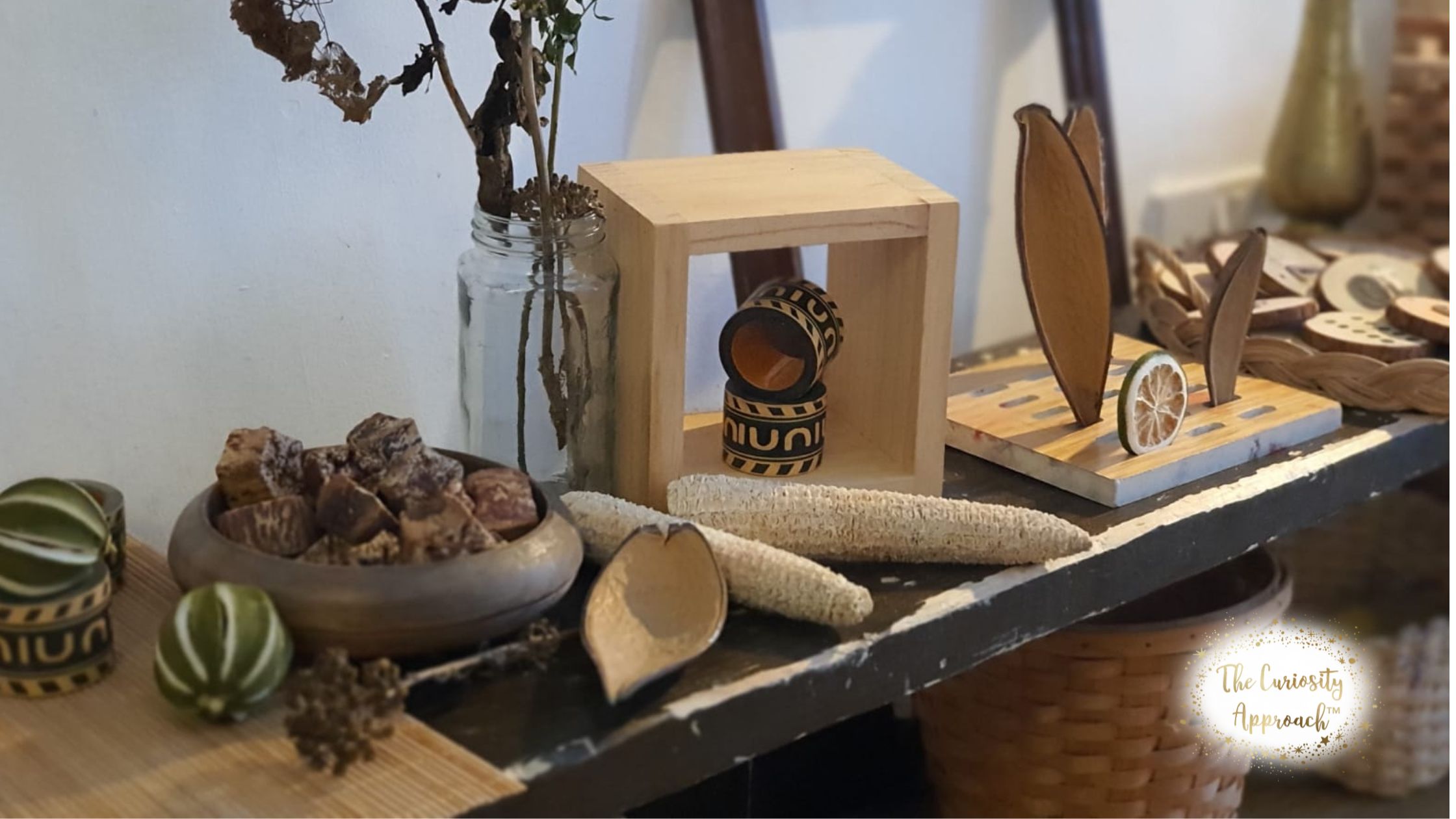
We look to create enchanted pockets of learning that have a visually appealing manner, which highlight the magic, wonder, and possibilities of the resources on offer, inviting the children to become curious about them.
As educators, we should always be seeking to encourage the child’s natural sense of awe and wonder. We aim to create a place of many beauties, but most importantly, the beauty of a childhood being lived to its potential, a beauty that is indeed deep in the eye of the beholder.
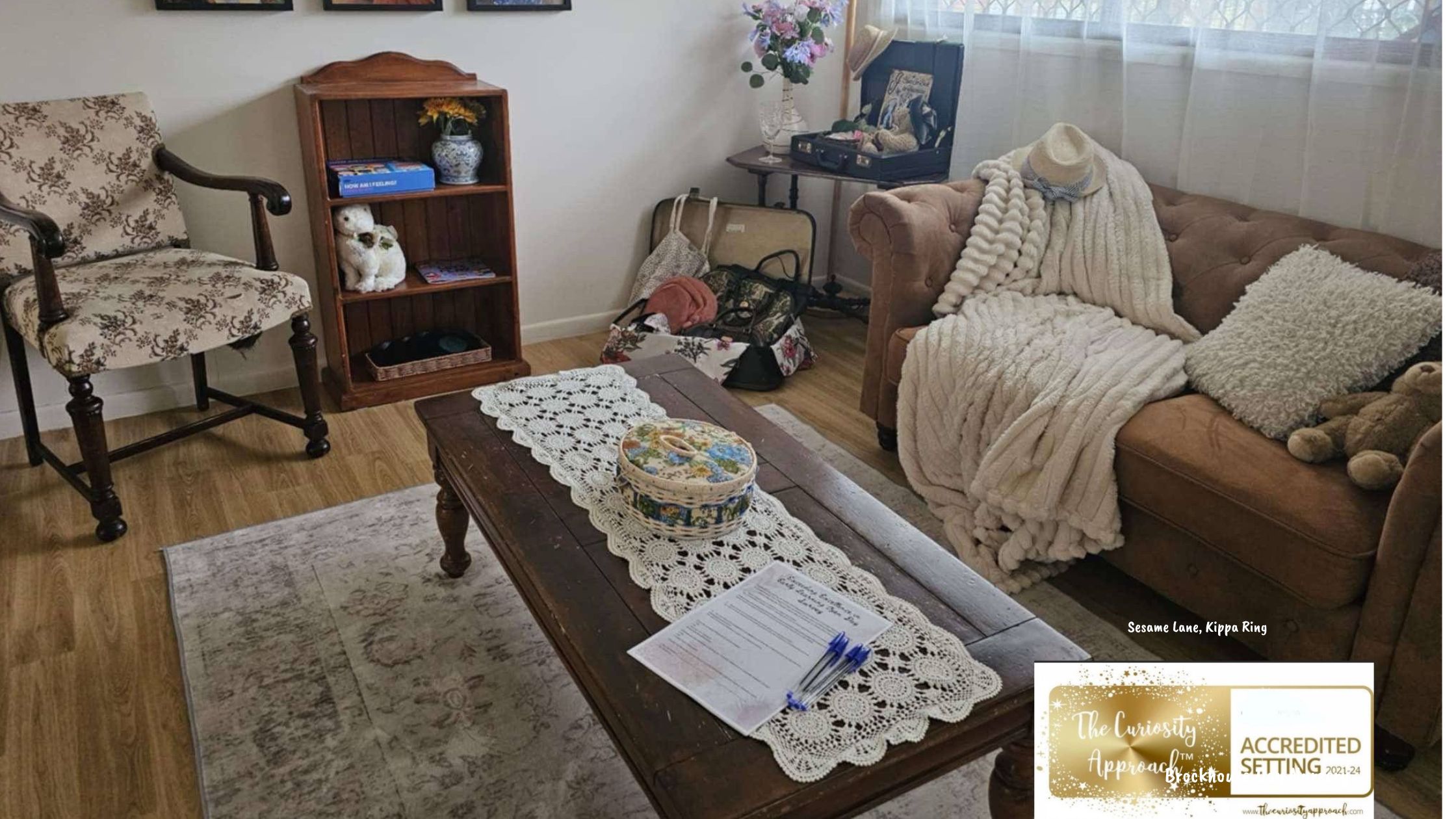
“If we thought more about childhoods and less about needs, some of our programs would look less like schools and more like homes and children’s museums, or like fields and parks. We might develop varied places with a genuine sense of beauty; places where adults and children delight at times in simply being together.” Jim Greenman
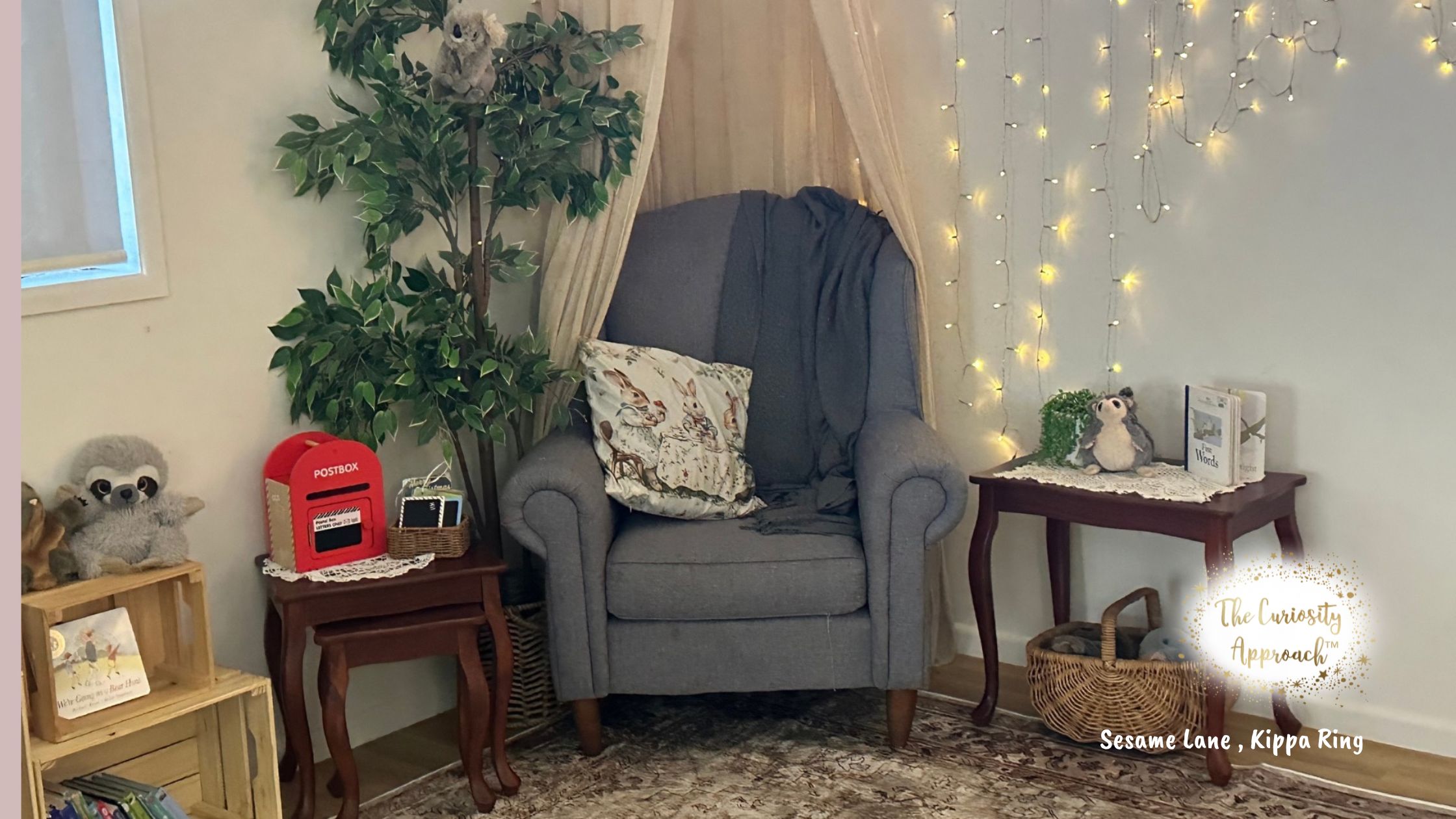
“The environment should act as a kind of aquarium that reflects the ideas, ethics, attitudes, and cultures of the people who live in it. “ This is what we are working toward. Quote by Loris Malaguzzi
At The Curiosity Approach®, the children’s play spaces offer a calm, tranquil feel, which is a spacious, ever-evolving learning environment that is respected and cared for by the children and adults. We feel it emulates a children’s wondrous museum filled with natural light, plants, and order. John Dewey, Rudolf Steiner, and Lev Vygotsky all believed in the importance of arts and aesthetic education for young children.
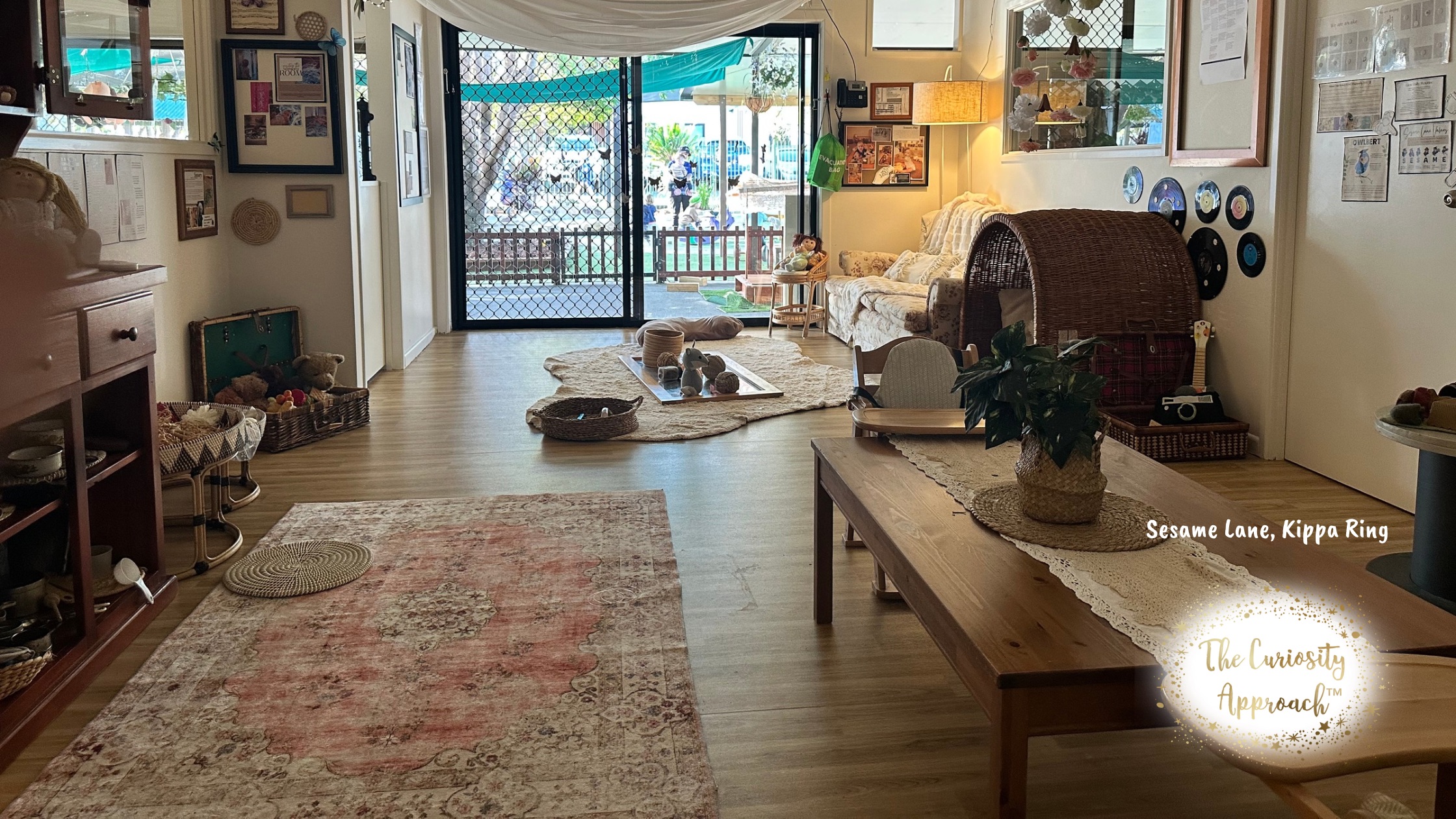
At The Curiosity Approach®, we use the statement that our settings “should feel like an extension of home and not a watered-down version of school,” stepping away from the academic feel of a traditional bright and overstimulating Early Childhood provision.
Our little babies and infants are not meant for institutionalised environments; they need to feel loved, nurtured, and secure in a home-from-home setting. Therefore, as educators, we need to provide places that feel cosy and comfy, with soft furnishings, cushions, and throws, places to sit and snuggle, to feel a sense of ‘Belonging.'
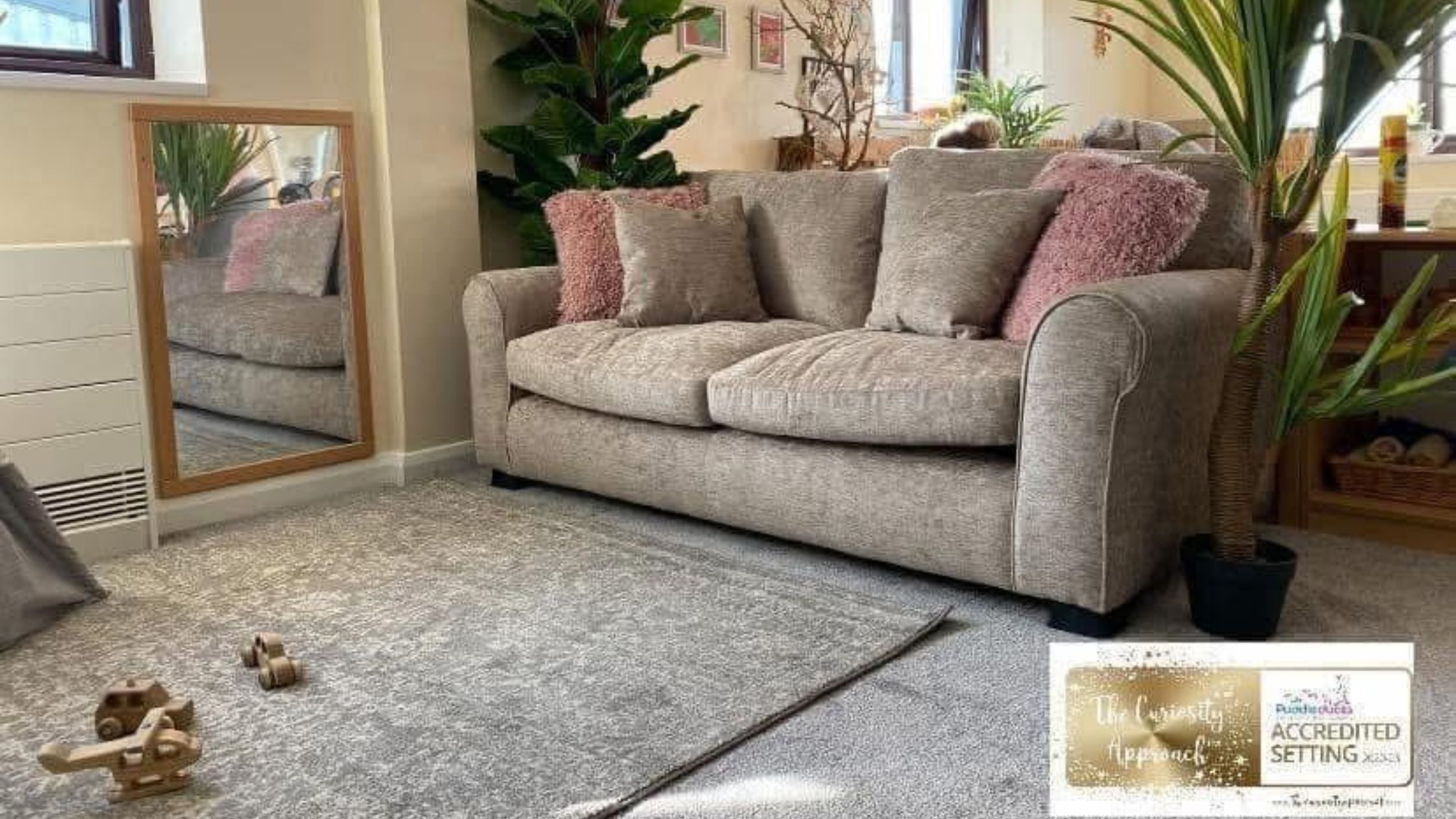
We are heavily influenced by Te Whāriki, the New Zealand framework, which helps to understand links between educational settings and the familiar wider world through smells, sounds, and objects. It’s about ensuring children grow up as capable, confident learners, healthy in mind, body, and spirit. Entwined in The Curiosity Approach® Pedagogy is inspiration taken from Waldorf Education and the Reggio Emilia Approach; both manage to bring environments that move away from traditional academic environments, and it is important to research and reflect on the teachings of these great pioneers in Early Childhood.
“Creating a sense of belonging is thus both spatial and relational. The teachers emphasised the importance of the school building and the classroom as the common “home” of the class and the class teacher, as well as of the class as a community. Homeliness is also embedded in the educational structure.” Room for Thinking, The Spatial Dimension of Waldorf Education M Bjørnholt
We believe that a child’s environment should be a laboratory, serving children with reverence and respect, a place to play unhindered by plastic resources and manufactured toys. Free to be curious and explore, to investigate loose parts and open-ended resources and authentic materials. We look to bring the outside in and create a sense of Hygge to meet children’s needs, both head, heart, and hands. This is about meeting the children’s spiritual needs as well as developmental needs, rather than pushing for targets, grades, and next steps.
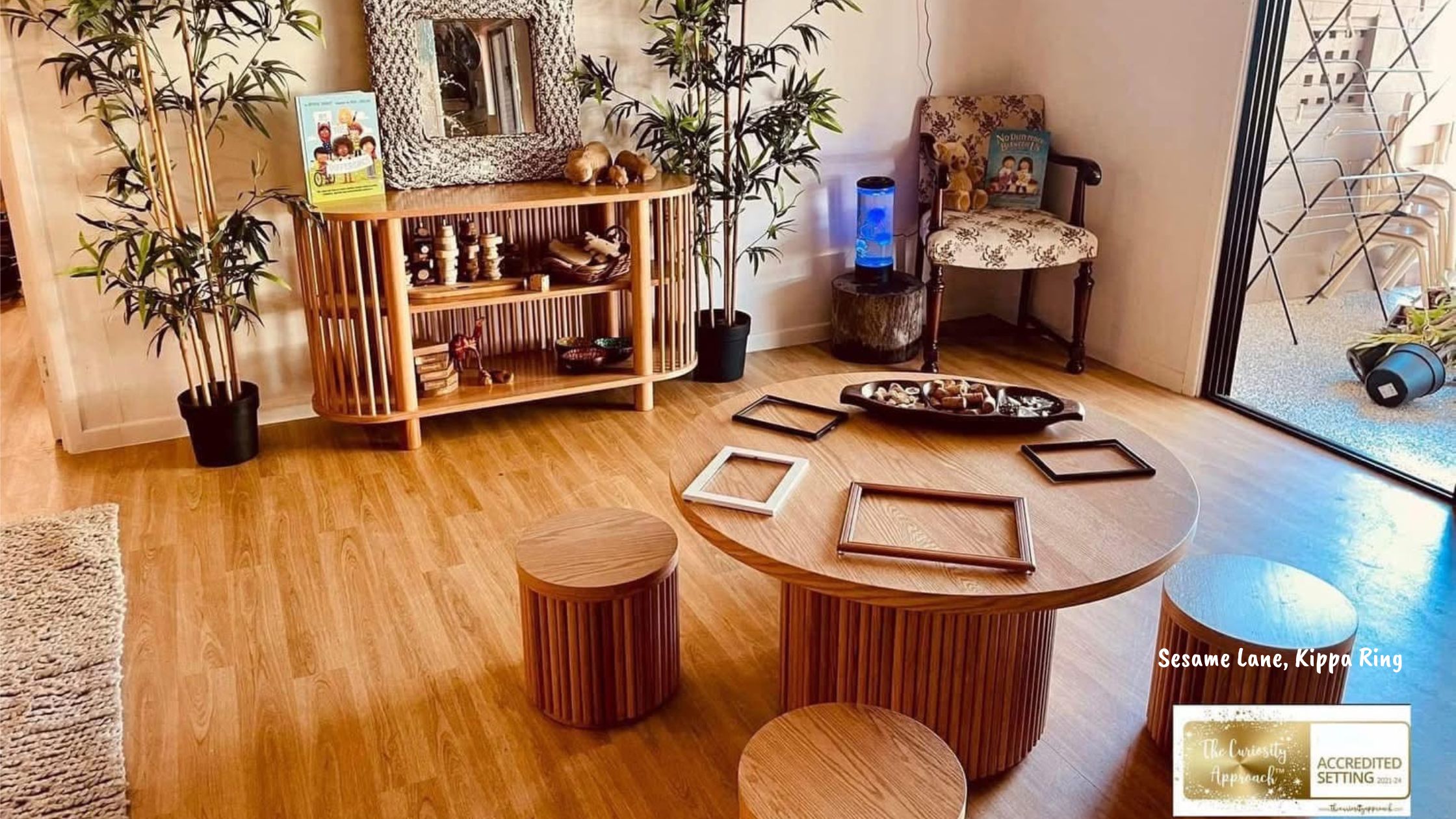
Kimberley Crisp, a New Zealand educator and trainer, tells us that the environment is “heart and soul food, beautiful treasures like at home. Everything beckons the child, saying... Come, we have prepared a beautiful space for you. We see you... we know you... trust you, and we want you to fly! Is your space worthy of miracles?”
Finally,
Did you know Maslow’s Hierarchy of Needs has more than the 5 needs? Number 6 is aesthetics.
- Physiological needs.
- Safety needs.
- Love and social belonging needs.
- Esteem needs.
- Cognitive needs.
- Aesthetic needs.
- Self-actualization.
- Transcendence
“Aesthetics is not just important for the protection of nature; it illuminates nature and our relation to it.”
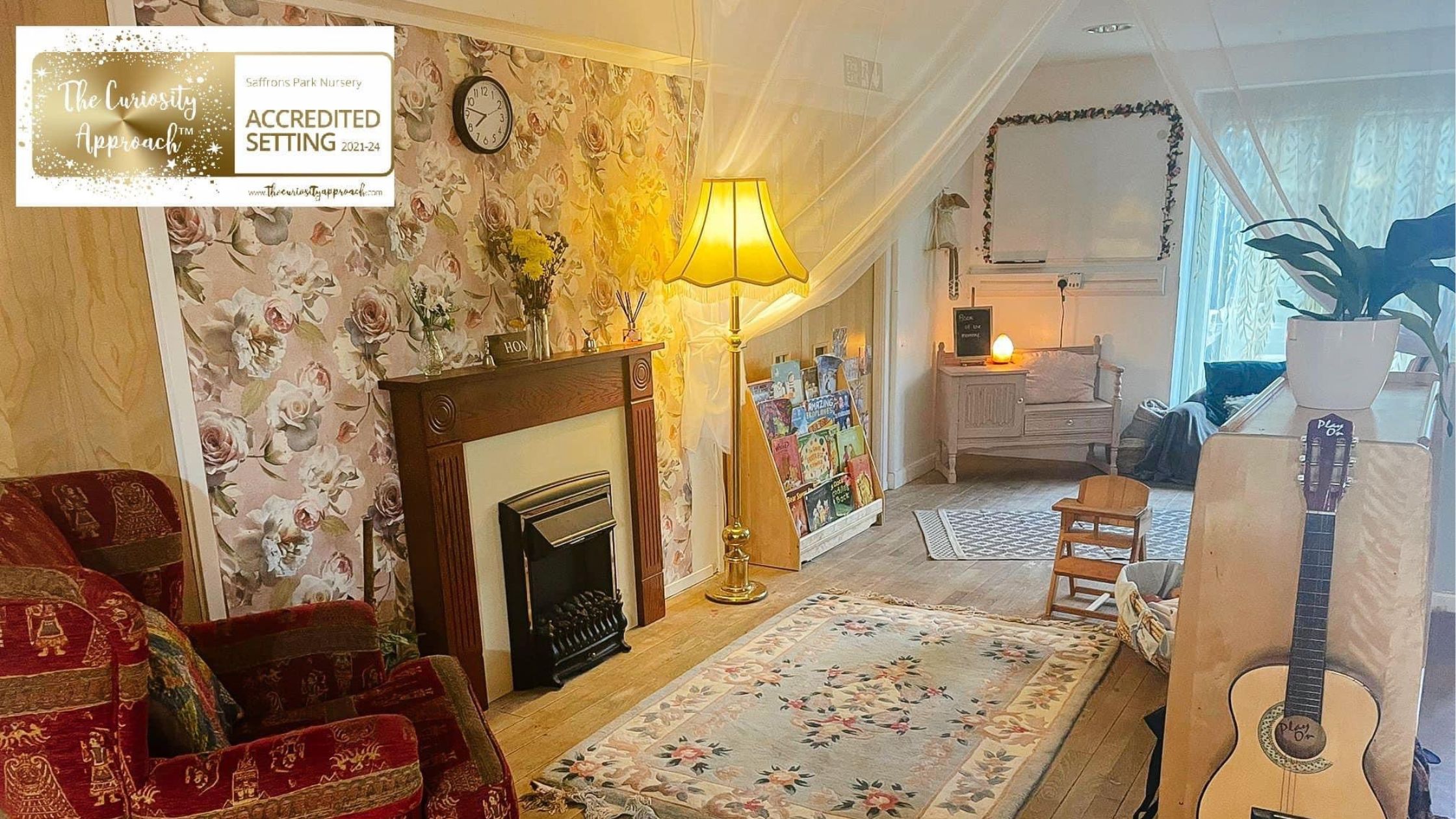
“It is the spirit of a place that makes it memorable, that expands our sense of possibility and puts us in touch with what is most loving, creative, and human about ourselves.” Anita Rui Olds
Would you like to know more about beauty in early childhood centres and settings, we have a one hour training video called Beautiful Things. It’s a plug and play recording that once purchased you have life time access to.
This recording will empower and educate you and or your team. See the link below
https://the-curiosity-approach...Thank you for taking the time to read this blog and your interest in The Curiosity Approach. Check out our website for your more https://www.thecuriosityapproa...
This website and its content are copyright of The Curiosity Approach 2026. All rights reserved.