


Bring plants into your early childhood classroom
Release Date: February 2, 2026
Last Updated: April 28, 2026
Do you have REAL plants in your early childhood setting? Let’s consider, In recent years, there has been a growing movement to bring nature indoors into our early years settings. This shift away from fake or faux materials towards incorporating real plants is driven by a desire to establish a genuine connection with the natural world. Eco literacy.
Research on nature deficit and biophilia has shed light on the benefits of incorporating plants in educational environments. In this blog we will explore the importance of plants, their ability to clean toxins in the air, and the need to encourage children to care for and nurture them as part of a sustainable future.
Why your setting needs MORE plants
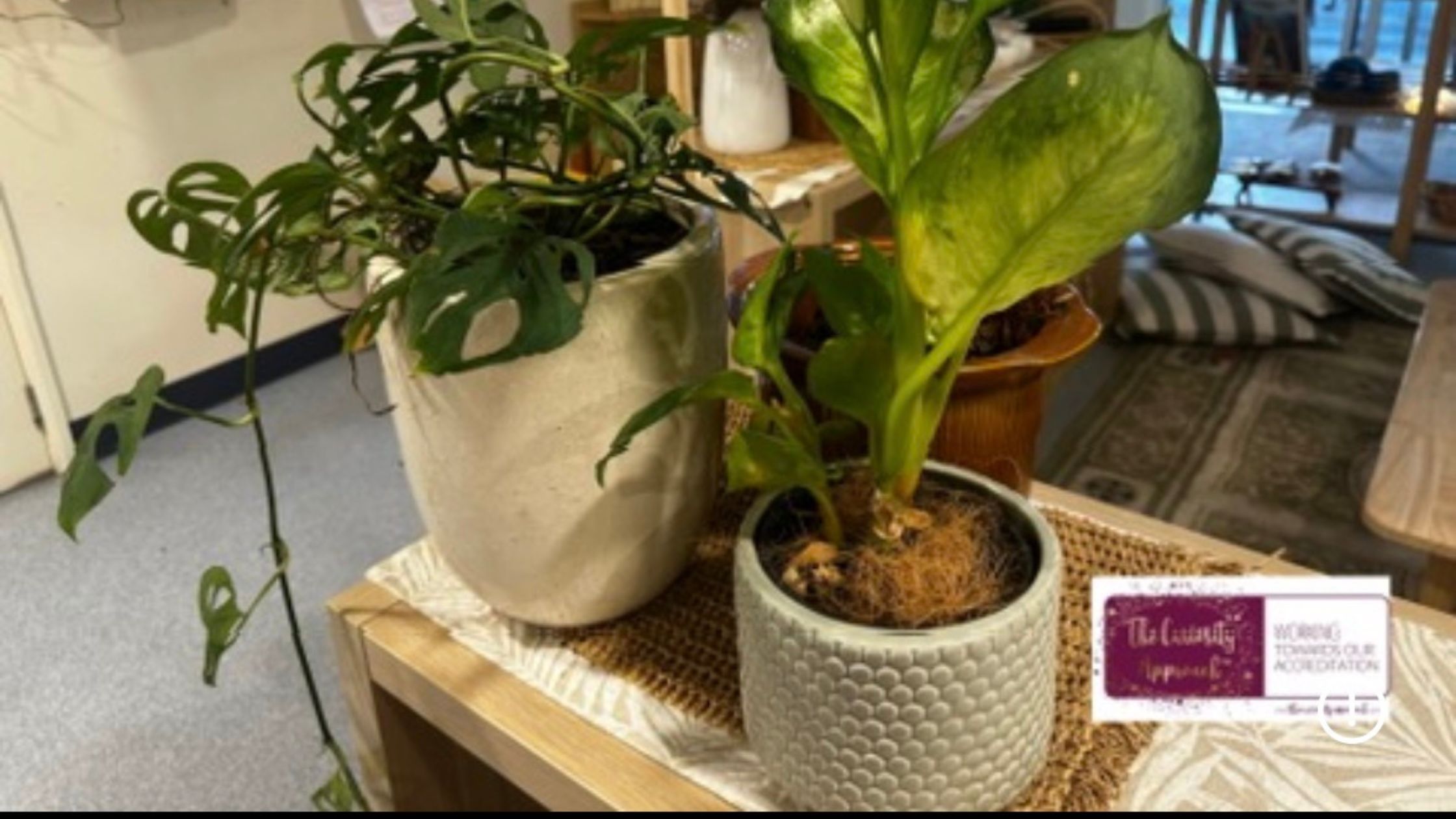
The Nature Deficit and Biophilia:
Richard Louv, in his book "Last Child in the Woods," coined the term "nature deficit disorder" to describe the disconnect between children and the natural world. He highlighted the detrimental effects of this disconnection on children's physical and mental well-being. On the flip side, biophilia refers to the innate human tendency to seek connections with nature. Incorporating plants in early years settings helps address this deficit and nurtures children's biophilic instinct.
Benefits of Plants
Plants offer numerous benefits when introduced into educational environments. Firstly, they improve air quality by removing toxins and releasing oxygen through photosynthesis. Research conducted by NASA has shown that plants can effectively remove harmful pollutants such as formaldehyde, benzene, and trichloroethylene from indoor air. This cleaner air promotes a healthier environment for children, reducing respiratory issues and improving overall well-being. Let’s recognise, plants have a calming effect, reducing stress and anxiety levels. Studies have found that the presence of greenery in learning spaces positively impacts children's concentration, attention span, and cognitive functioning.
The soothing presence of plants can create a peaceful atmosphere, supporting children's emotional development and enhancing their ability to engage in learning activities.
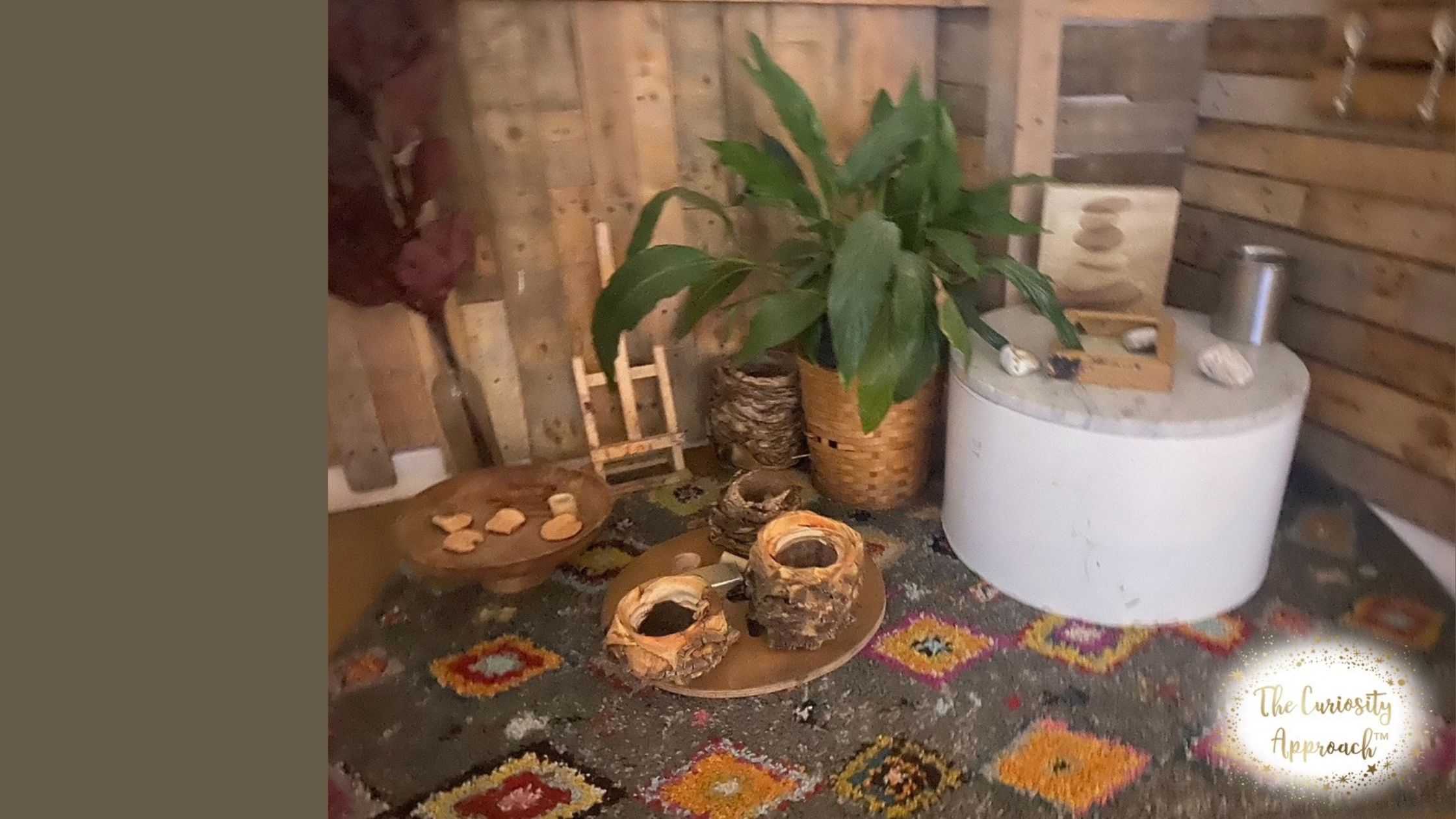
Moving away from strings of stapled up plastic Ivy, fake and faux As Educators we must reflect and reconsider the use of plastic ivy and other artificial plants in early years settings. While they may be low-maintenance and visually appealing, they lack the authenticity and inherent benefits of real plants. 🪴 Most certainly they can add a pop of colour and don’t die on us, but is your setting full of plastic greenery or are you helping children connect with the REAL deal? There can be no replacement for growing and hurrying, looking after a living plant. Plastic ivy cannot purify the air, provide sensory experiences, or engage children's curiosity in the same way that living plants can.
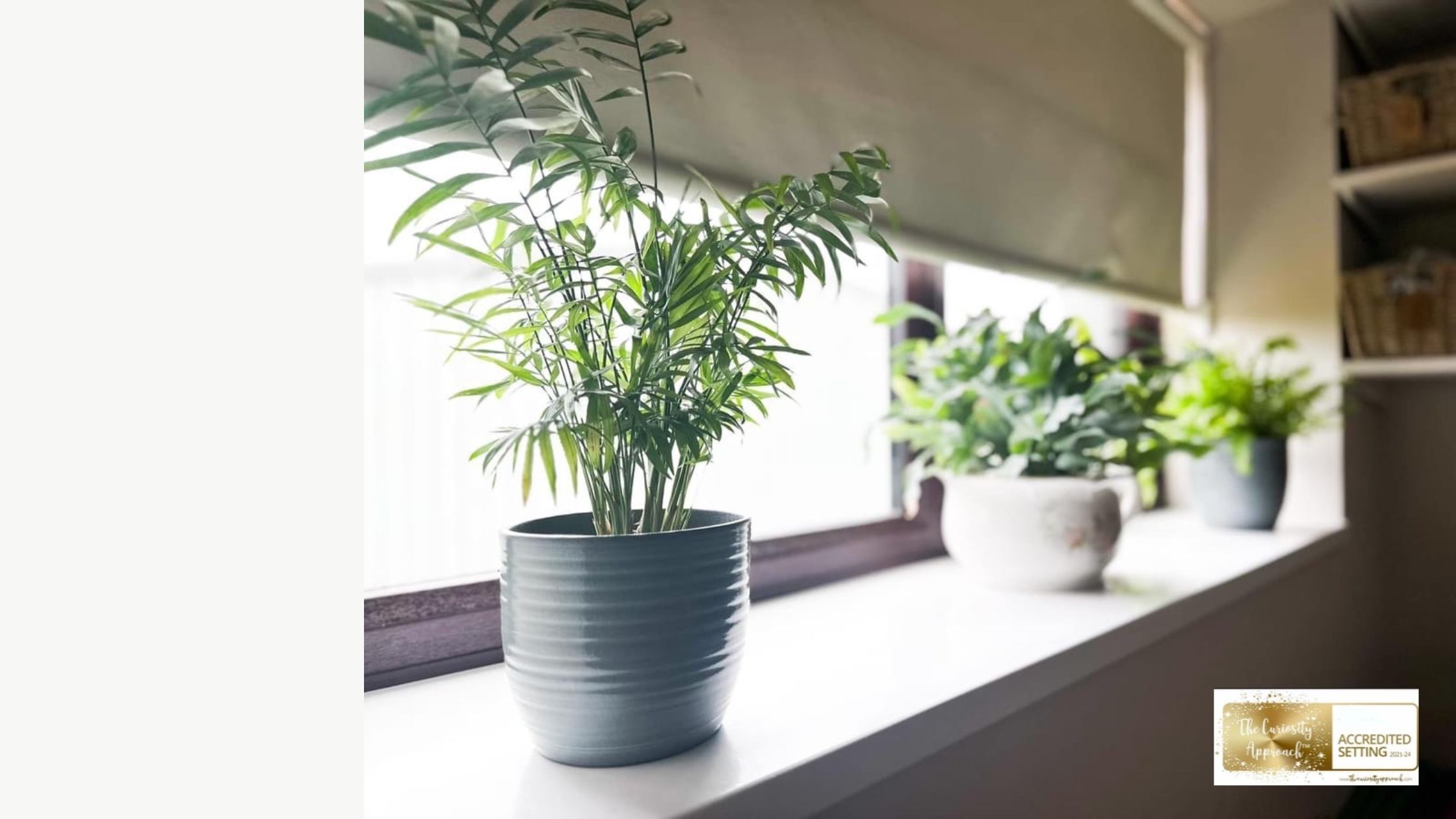
By embracing real plants, educators can create a genuine connection between children and the natural world, fostering a deeper appreciation for the environment. Does your setting need more plants?
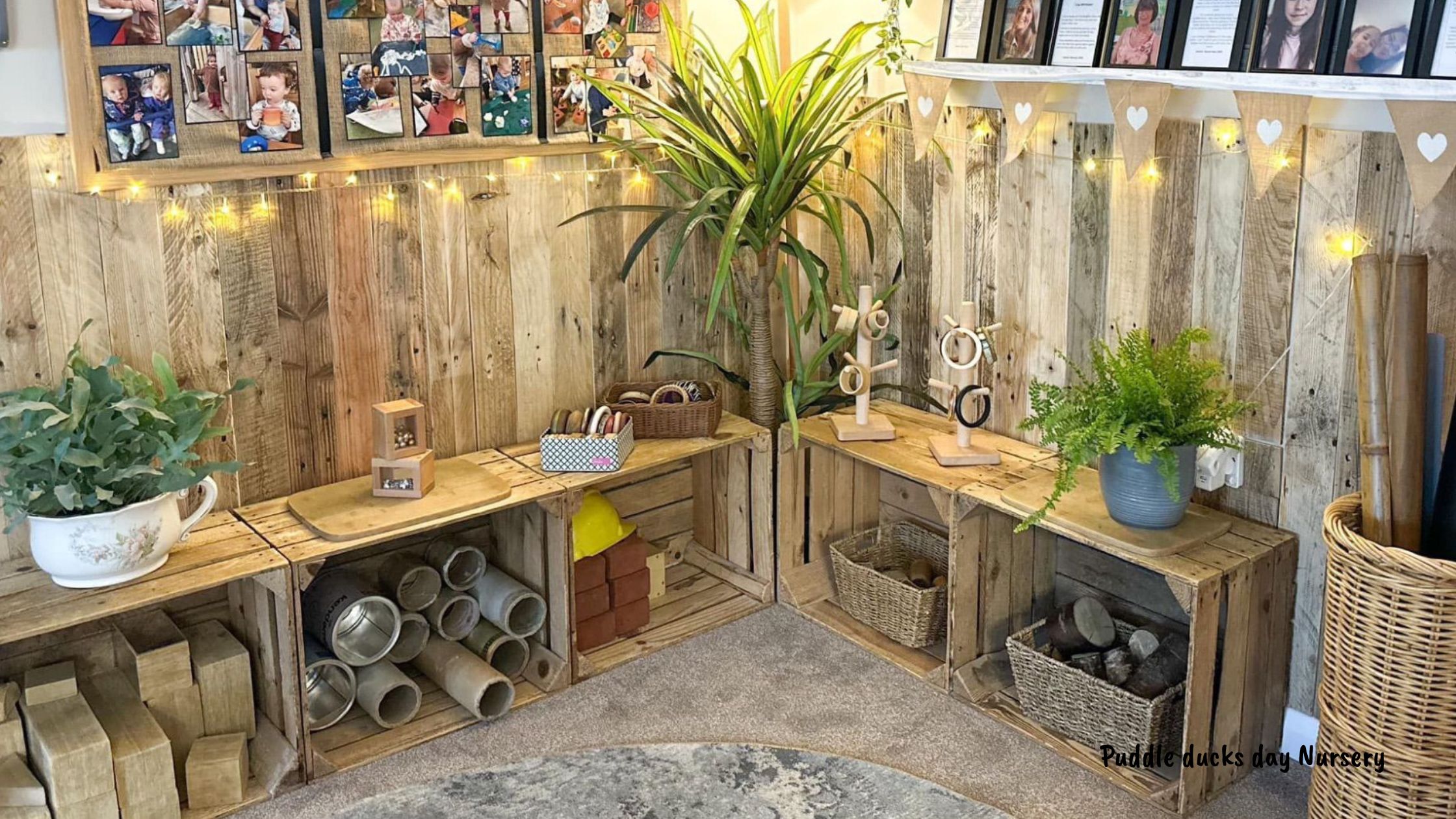
Encouraging sustainability
Incorporating plants into early years settings also presents an opportunity to teach children about sustainability and the importance of nurturing living things. By involving children in the care and maintenance of plants, educators can instill a sense of responsibility and encourage sustainable practices.
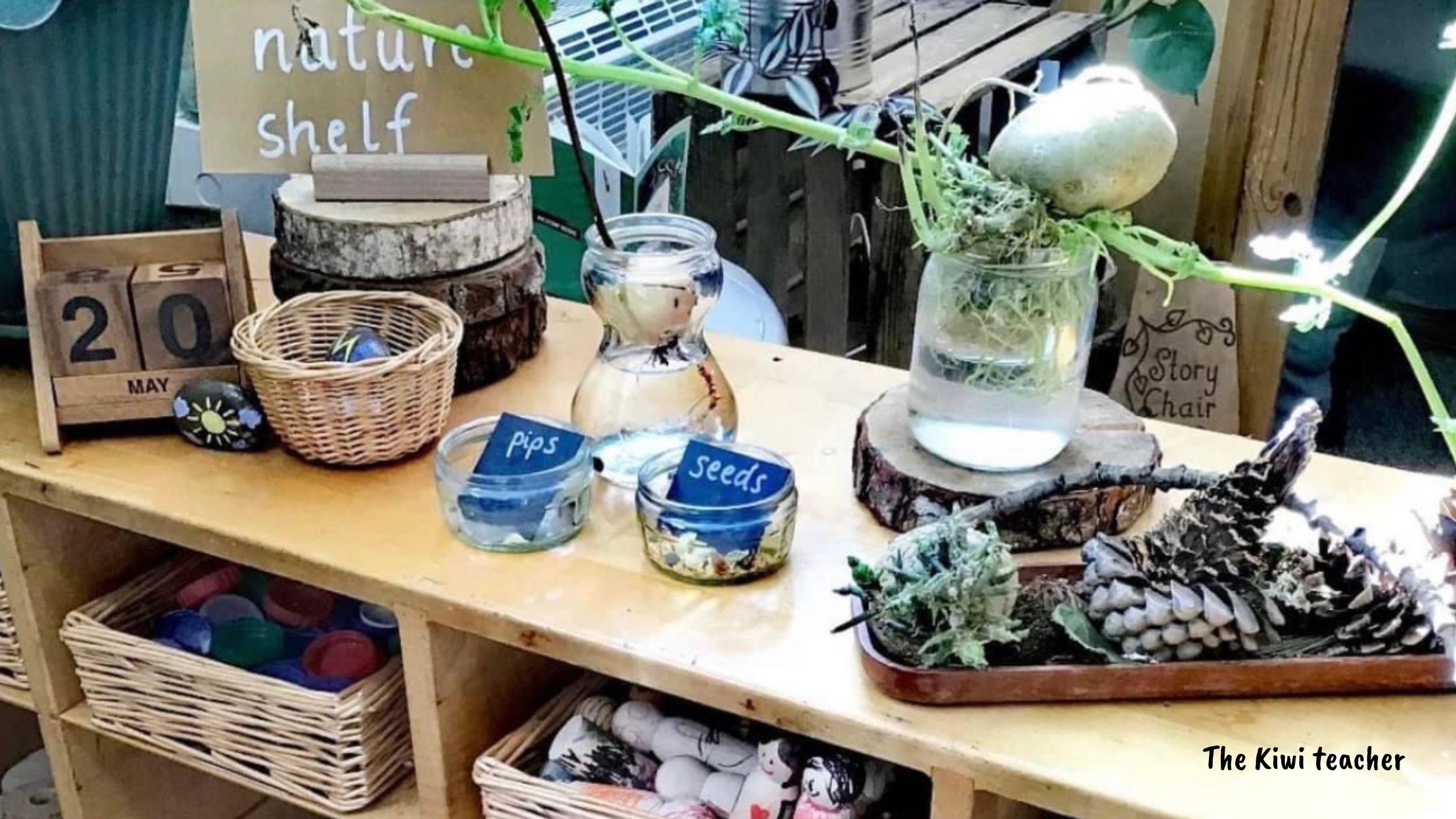
Children can learn about watering, observing growth, and understanding the interdependence of plants and humans. These experiences promote environmental consciousness and lay the foundation for a greener future. Looking after our natural world, learning about the growth, seedlings, buds, flowers. Respecting the planet we live upon! ( stapling up plastic ivy can’t do that, so let consider why it’s used, what’s the purpose of it? Is it needed ?
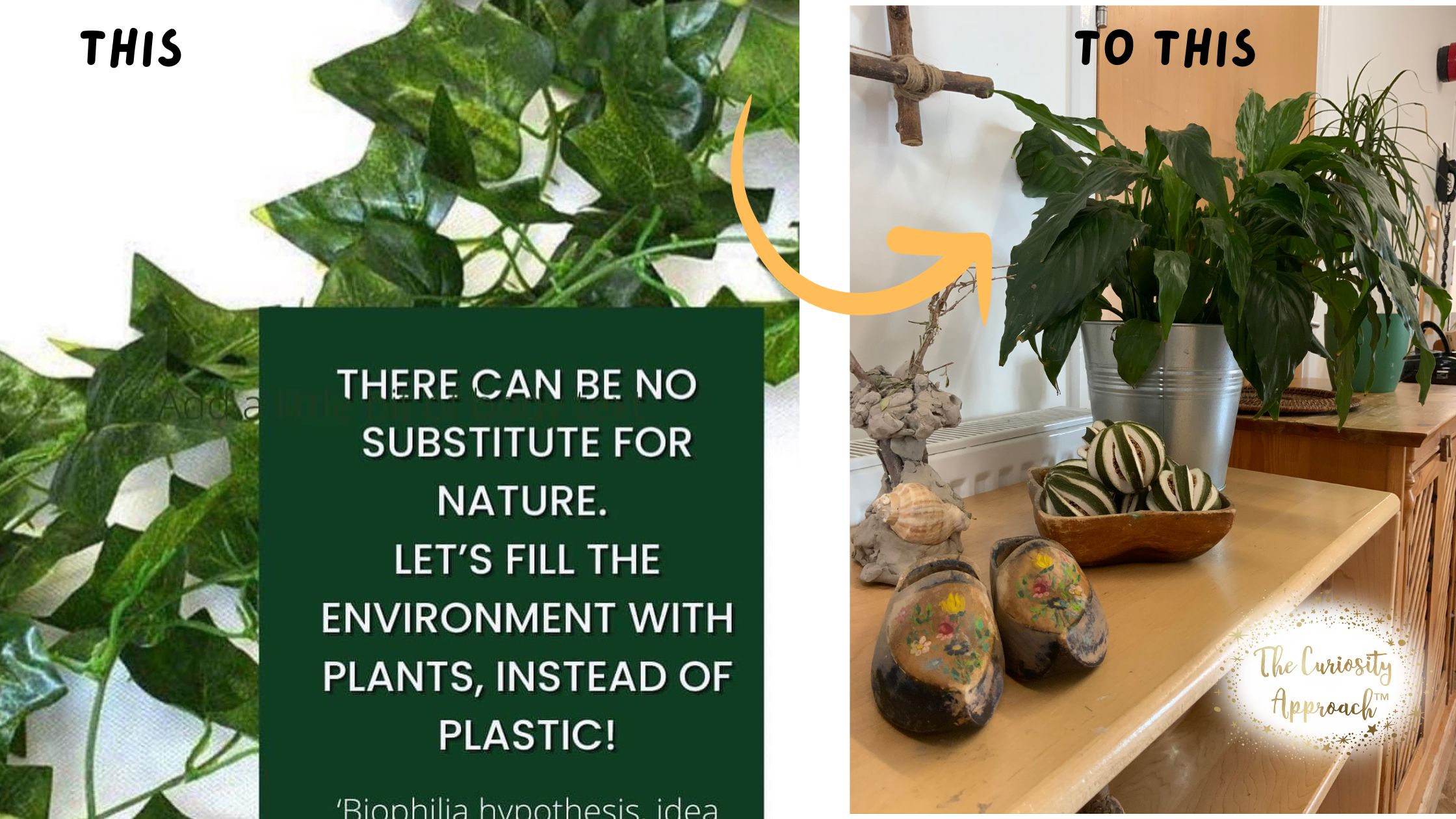
Finally Integrating plants into early years settings is a powerful way to connect children with nature, combat nature deficit disorder, and nurture their innate biophillia. Real plants offer a myriad of benefits, from improving air quality to promoting emotional well-being and concentration. As educators let’s look to mix it up, move away from artificial plants and embrace the authenticity and educational potential of living organisms. More plants than plastic
By involving children in plant care, we can foster sustainability and instill a sense of environmental responsibility from an early age. Let us create environments that inspire curiosity, connection, and a deep appreciation for the natural world.
Here are some plants that you may find suitable for your Early Years setting
1. Spider Plant (Chlorophytum comosum): Spider plants are known for their air-purifying qualities and resilience. They are non-toxic and easy to care for, making them ideal for early years settings.
2. Snake Plant (Sansevieria trifasciata): Snake plants are another excellent choice for early years settings. They have a unique appearance, are low-maintenance, and improve indoor air quality by filtering out pollutants.
3. Peace Lily (Spathiphyllum): Peace lilies are beautiful flowering plants that thrive in low-light conditions. They are known for their ability to remove toxins from the air and are safe for children, although it's essential to keep them out of reach as their leaves can be mildly toxic if ingested. Make sure these are placed out of reach of children.
4. Boston Fern (Nephrolepis exaltata): Boston ferns are lush, green plants that add a touch of elegance to any space. They prefer humid environments, making them suitable for areas with increased moisture, such as bathrooms or kitchens.
5. Areca Palm (Dypsis lutescens): Areca palms are popular for their tropical appearance and ability to purify the air. They are safe for children and can add a vibrant touch to early years settings.
6. Aloe Vera (Aloe vera): Aloe vera plants are not only visually appealing but also have medicinal properties. They are safe for children and can serve as a hands-on learning opportunity, as the gel inside their leaves can be used for minor skin irritations.
7. Rubber Plant (Ficus elastica): Rubber plants are sturdy, easy to care for, and can tolerate a range of light conditions. Their large, glossy leaves make them visually appealing and safe for children.
Remember to consider factors such as light requirements, watering needs, and any potential allergies when selecting plants for an early years environment. It's also essential to regularly check the safety of plants, ensuring that they are securely potted
References and further reading ⬇️
1. Louv, R. (2008). Last Child in the Woods: Saving Our Children from Nature-Deficit Disorder
2. "Nature Preschools and Forest Kindergartens: The Handbook for Outdoor Learning" by David Sobel: This resource provides insights and practical guidance on implementing nature-based education, including the benefits of outdoor learning and connecting children with the natural world.
3. "Last Child in the Woods: Saving Our Children from Nature-Deficit Disorder" by Richard Louv: This influential book discusses the impact of nature deficit on children's health and well-being and offers suggestions for reconnecting children with the natural world.
4. "Bringing the Outdoors In: Ideas for Creating Nature-Based Classroom Experiences for Young Children" by Sandra Duncan and Jody Martin: This book provides educators with practical ideas and activities for incorporating nature into indoor learning environments, including the use of plants, natural materials, and sensory experiences.
5. "The Importance of Being Little: What Young Children Really Need from Grownups" by Erika Christakis: While not specifically focused on nature or plants, this book explores the critical role of play, exploration, and authentic experiences in early childhood education.
6. "How to Grow a School Garden: A Complete Guide for Parents and Teachers" by Arden Bucklin-Sporer and Rachel Kathleen Pringle: This resource offers practical advice on planning, implementing, and maintaining a school garden, emphasising the educational benefits and hands-on learning opportunities it provides.
These books provide valuable insights, research, and practical strategies that can support educators in incorporating nature, plants, and outdoor experiences into early years settings.
Hope this helps you understand WHY at The Curiosity Approach we blur the lines between indoors and outdoors and step away from garlands of plastic. There can be no replacement for nature
Here’s a real UK-based study on early language development for ages around 3–7, published after 2010:
Snow, C. E., & Uccelli, P. (2013). The language of storybooks: A cross-cultural examination of narrative skill development in early childhood. Journal of Child Language, 40(4), 987-1005.
Norbury, C. F., Gooch, D., Wray, C., Baird, G., Charman, T., Simonoff, E., Pickup, G., Hayiou-Thomas, M. E., & Tomblin, J. B. (2016). The impact of language development on academic attainment in UK children. Journal of Child Psychology and Psychiatry, 57(3), 305-315.
Come join our Sustainability award, helping foster ecoliteracy and help children become stewards of the natural world
Click the link to purchase £80 X 3. Instalment Payments https://the-curiosity-approach...
This post is copyright protected The Curiosity approach (2026)